public policy
Bridging Policy, Social Impact, and Human-Centered Solutions
I am a public policy strategist with expertise in social protection, gender equity, peacebuilding, and international development. My work blends evidence-based policy, stakeholder engagement, and creative approaches to drive systemic change across multi-sector environments.
With an MPA from the London School of Economics, I specialize in behavioral insights, public sector strategy, and human-centered program design, bringing a global lens and intersectional mindset to every project.
International Organizations
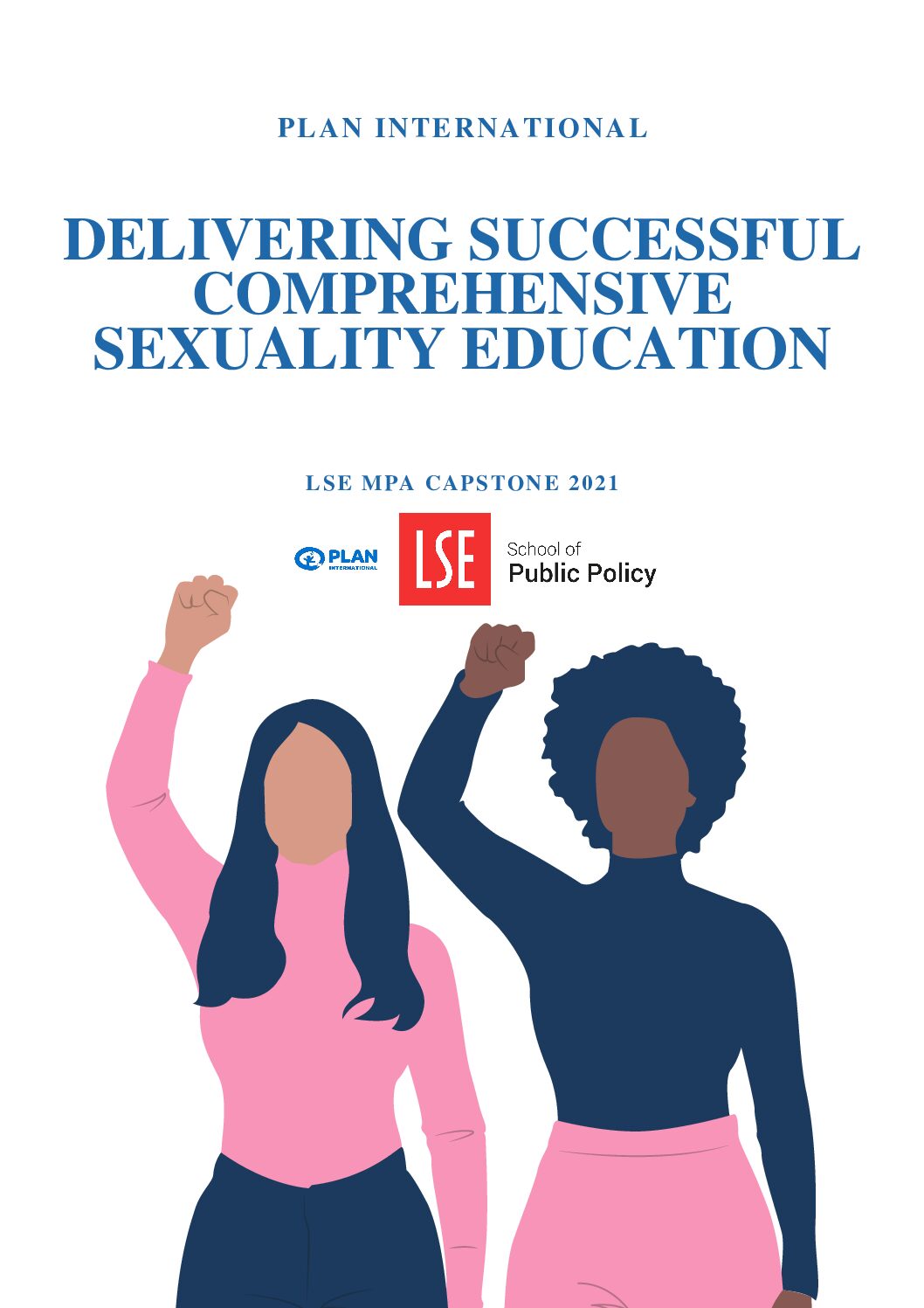
- Plan International: Co-led a global evaluation of Comprehensive Sexuality Education (CSE) across 15 countries, conducting literature reviews, stakeholder interviews, and policy synthesis, culminating in a 15,000-word report and presentation to guide strategic programming.
- United Nations, Department of Peace Operations (DPO): Supported the Policy and Best Practices Service (PBPS), contributing to leadership-level documents, talking points, and strategic initiatives under Action for Peacekeeping (A4P/A4P+). Contributed research to the New Agenda for Peace, digitized the SOFA violation reporting system, and worked on Protection of Civilians (POC) and Conflict-Related Sexual Violence (CRSV) initiatives.
NGOs
- Women’s Fund Miami: Led data collection and analysis for over 200 nonprofits serving women and girls, producing the report The State of Women and Girls-Serving Organizations and developing a Gender Equity Index tailored to Miami-Dade with actionable policy recommendations.
- Style Saves: Coordinated large-scale events benefiting up to 7,000 underserved children annually, managing nonprofit outreach, campaign content, budgeting, and operations.
Public Sector & Humanitarian Consulting
From humanitarian organizations and corporate teams to refugee initiatives, schools to shelters, these workshops help:
- Communities in Transition: Build trust, empathy, and social cohesion across cultural, political, or historical divides.
- Educators & Youth Programs: Activate engagement, reflection, and shared learning through embodied practice.
- Policy & Development Teams: Integrate human-centered, evidence-based movement practices into strategy, program design, and public health initiatives.
- Teams & Leaders: Reduce stress, enhance cognitive clarity, and improve collaboration and emotional intelligence.
Program Implementation & Creative Engagement
Public Policy
Program Implementation & Creative Engagement
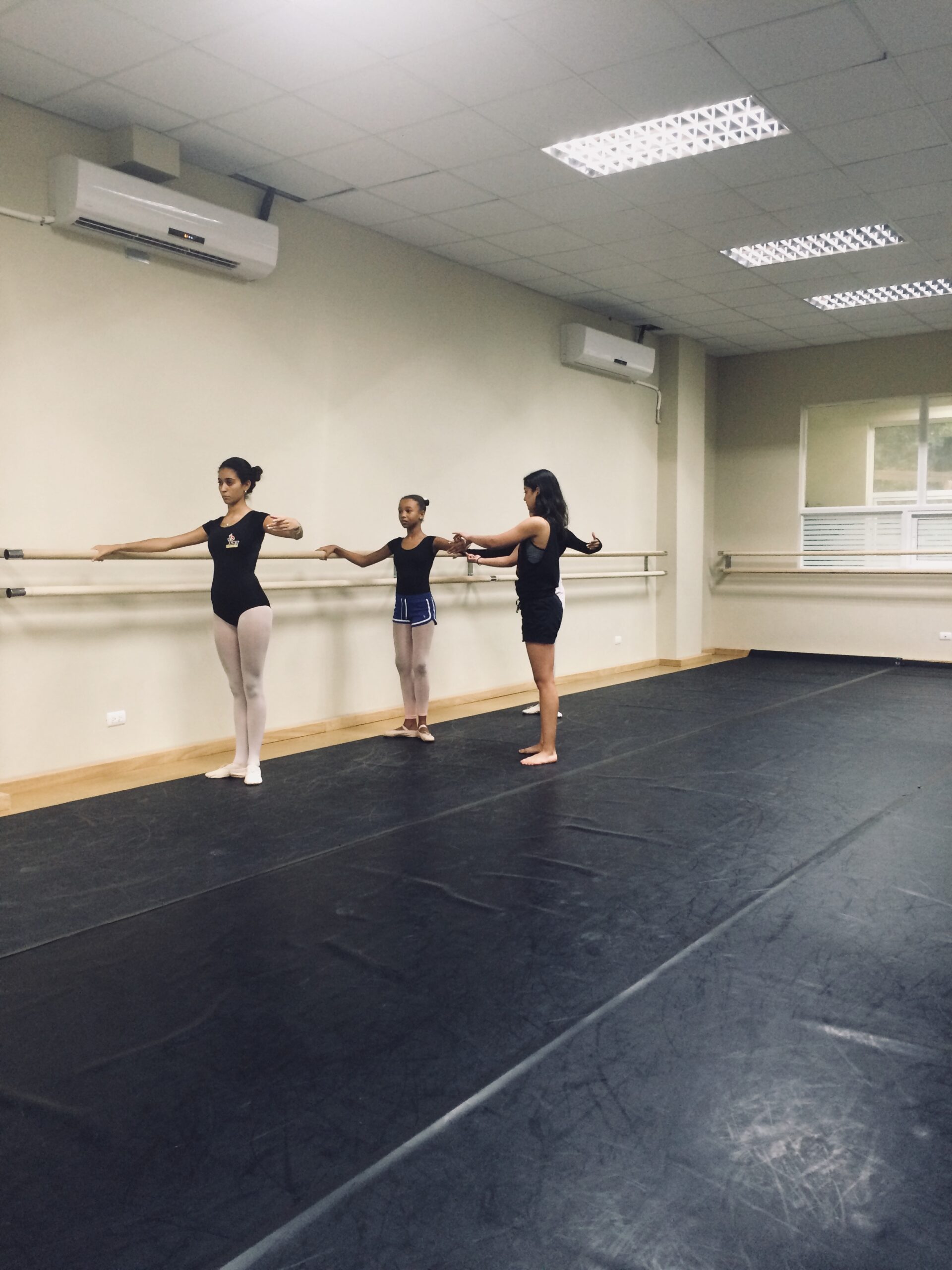
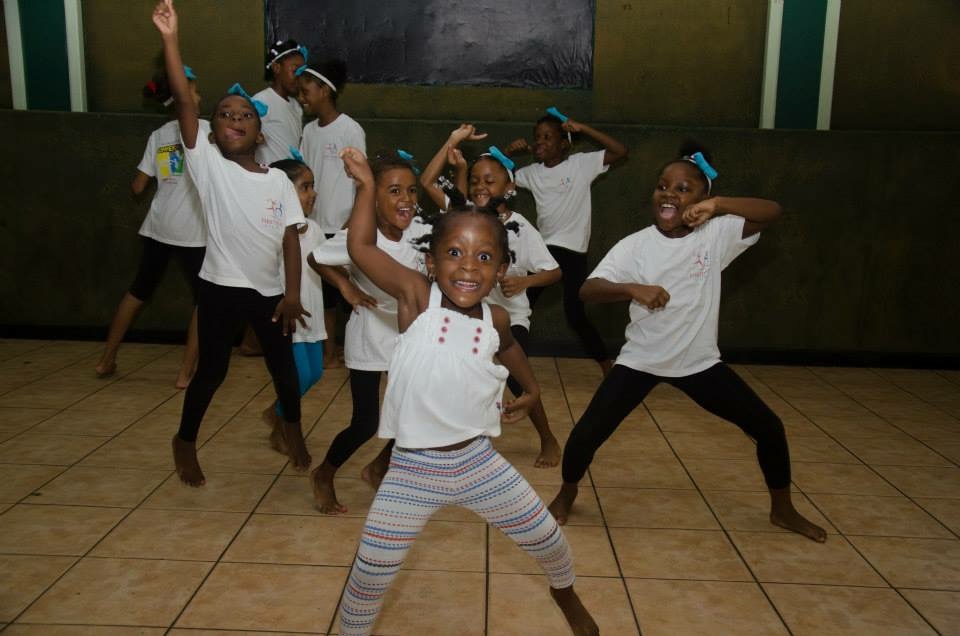
Beyond policy, I design and lead programs that integrate arts and movement for social impact, including dance education initiatives for under-resourced youth in Jamaica, Haiti, and Miami (including at the Lotus House Shelter for Women and Children).
As part of this work, I led an international pilot through the Centre for Public Impact (CPI) Fellowship in Germany, using embodied practices to connect communities with and without migration backgrounds—fostering empathy, dialogue, and reflection.
Watch here »
The outcomes of this pilot have been integrated into the In Motion workshop series, which emphasizes resilience, self-expression, and healing, creating empowering spaces for connection, engagement, and belonging while supporting broader social development objectives. (See Impact)
Research Portfolio:
Reshma’s portfolio showcases her ability to blend rigorous policy work with creative community engagement. She brings a global lens, intersectional mindset, and a deep belief in inclusive progress to every project she undertakes
Program Implementation & Creative Engagement
1) Comprehensive Sexuality Education Consultation for Plan International – Capstone at London School of Economics and Political Science 2020-2021
Research Question:
How to effectively deliver Comprehensive Sexuality Education within different country and cultural contexts. How can that be adapted to the Covid-19 crisis?
Summary:
Comprehensive Sexuality Education (CSE) is an evidence- and rights-based curriculum that empowers young people to develop healthy relationships with themselves and others. When CSE is missing or poorly implemented, young people face heightened risks of STIs, violence, discrimination, stigma, and sexual abuse. High-quality CSE equips youth with the knowledge, skills, and confidence to realize their sexual and reproductive health and rights (SRHR).
Despite well-documented best practices, a gap persists between CSE on paper and in practice. Common barriers include policy challenges, community resistance, resource shortages, and limited stakeholder coordination—often resulting in weakened or inconsistent delivery.
This study analyzed 15 countries across 6 regions, combining a literature review and 11 key informant interviews with CSE professionals from Plan International, to identify successful approaches and lessons for scaling and improving CSE globally. Insights were synthesized into a conceptual framework under four thematic areas:
- Regulatory Environment: Policies, institutions, and accountability systems that support effective CSE.
- Design: Approaches adapted to local contexts, cultures, and definitions of comprehensiveness.
- Delivery: Implementation fidelity and practical application of curricula.
- Social Environment: Community, parental, and youth engagement to foster acceptance and support.
Key Insights:
- Effective CSE relies on collaboration between governments, NGOs, educators, parents, community leaders, and youth.
- Robust legal and policy frameworks and dedicated teams with budgets improve delivery.
- Monitoring and evaluation systems enable adaptation and quality improvement.
- Community engagement ensures CSE is culturally relevant and widely accepted.
- Teacher training and out-of-school programs strengthen implementation and reach.
- Youth movements, media, and innovative approaches during crises expand accessibility and impact.
- Partnerships with religious and community leaders, parents, and caregivers are critical to fostering supportive environments.
- Access to youth-friendly health services is essential to complement CSE content.
No country has perfect CSE implementation, but this research provides actionable lessons for policymakers, educators, and advocates seeking to improve CSE delivery and support young people in realizing their full potential.
Program Implementation & Creative Engagement
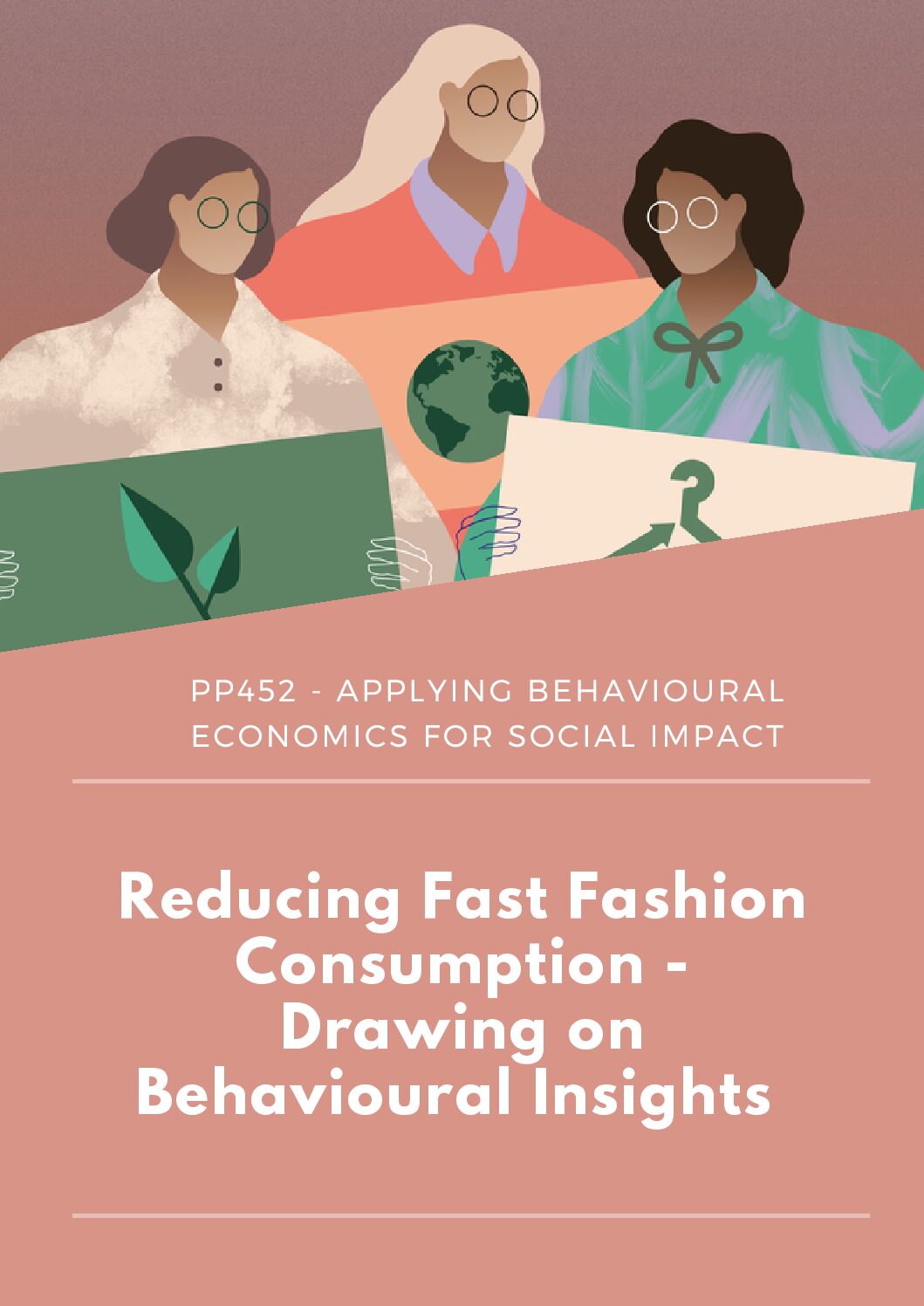
2) Reducing Fast Fashion Consumption – Drawing on Behavioral Insights, Behavioral Economics group project at the London School of Economics and Political Science
Research Question:
The report looks at the behavioral puzzle of why impulsive buyers keep purchasing fast fashion
when they care about the environment and human rights.
Summary:
Fast fashion offers affordability and speed, but comes with significant environmental and social costs. While consumers are increasingly aware of these issues, many still struggle to shop sustainably due to behavioral barriers such as impulse buying, low self-efficacy, and misconceptions about alternatives.
Our research combined literature review, in-depth interviews, focus groups, and behavioral economics insights to identify key obstacles and target audiences—particularly consumers experiencing cognitive dissonance between their values and shopping habits. We developed a web-based intervention using monetary and non-monetary rewards to nudge ethical purchasing behavior and reduce impulse shopping. Early findings suggest that positive framing, emotionally engaging content, and reward systems can effectively influence consumer decisions.
Future research could explore in-person interventions, social reward platforms, and policy incentives to further align shopping habits with environmental and social values.